Choosing the Right Examination Gloves: A Comprehensive Guide for Indian Healthcare Providers

Healthcare providers and people need examination gloves for protection. To ensure safety, comfort, and healthcare compliance, gloves must be selected from a variety of materials, types, and standards. This detailed guide helps Indian healthcare providers choose examination gloves for various medical contexts.

Examination Glove Selection Considerations

Choosing the best test gloves goes beyond substance. There are several important factors for healthcare providers:

1. Reason for Use

The gloves’ intended use is very important. Handling dangerous materials or requiring high tactile precision requires specialist gloves. Understanding medical procedure requirements will guide choices.

2. Allergic Issues

Latex allergies are a major healthcare issue. Physicians must evaluate individuals for latex sensitivity. To avoid allergic reactions, use nitrile examination gloves or vinyl gloves.

3. Fit and Comfort

Comfort and safety depend on a good fit. Tight gloves weary hands, while loose gloves impair dexterity. Choosing gloves that fit well helps healthcare workers work productively without pain.

4. Durability and Resistance

Glove durability is crucial in high-risk scenarios. Nitrile gloves are ideal for tougher work since they resist punctures and chemicals. Understanding glove durability and task performance ensures long-term protection.

5. Environmental Impact

As environmental awareness grows, examination gloves should likewise consider their environmental impact. Nitrile and vinyl gloves are less eco-friendly than latex gloves, which biodegrade. Recycling and safe disposal can reduce this impact.

Special considerations for Indian healthcare Providers

Indian healthcare providers confront distinct challenges that may affect their exam glove choice. Challenges include:

1. High Patient Turnover

High-volume venues like public hospitals and clinics require cost-effective, durable gloves. Vinyl gloves can be used for non-invasive exams and nitrile gloves for riskier ones.

2. Variable Environment

The varied climate in India can impair glove performance. Powder-coated gloves absorb moisture and improve grip in humid settings. Healthcare practitioners should be aware of powder-related respiratory difficulties and allergic reactions.

3. Infection Control

Glove selection is much more important in infectious disease-prone areas. Nitrile or powder-free latex examination gloves are best for preventing contamination in healthcare.

4. Regulatory Compliance

Indian healthcare providers must use gloves that meet local regulations. This compliance is necessary for legal and patient care reasons.

Other Vital Considerations

Managing Cross-Contamination

In healthcare, infections can easily spread between patients and staff, causing cross-contamination. Examination gloves protect against bodily fluids, blood, and other infectious elements. However, proper glove selection, use, and disposal determine this barrier’s efficiency. Healthcare practitioners must use gloves that fit their techniques to maintain the barrier.

Increasing Patient Comfort and Care

Exam gloves protect healthcare personnel and patients from infections, but patient comfort is equally important. During sensitive procedures like wound care or intravenous insertions, poorly fitted gloves can cause patients pain. Healthcare practitioners must ensure gloves provide enough protection, a decent fit, and tactile sensitivity for gentle and precise patient care.

Glove material is especially important for sensitive skin and allergy sufferers. Nitrile and vinyl gloves are good for latex-allergic people.

Addressing New Healthcare Challenges

New infectious diseases and hospital patient loads confront the healthcare industry. The issues require high-quality protective gear, including examination gloves. During COVID-19 outbreaks, demand for trustworthy and effective gloves increased, underlining the necessity for a consistent supply of high-quality examination gloves in healthcare.

Healthcare practitioners must keep up with glove and material science breakthroughs to meet such issues. Antimicrobial gloves, which guard against germs, are becoming more vital in hospital settings. Providers must also adapt to new regulations and standards to keep their gloves compliant and effective, even as health hazards change.

Continuous Training and Education

Healthcare providers need ongoing training to use examination gloves properly. Regular training should teach personnel how to put on, take off, and dispose of gloves. This instruction should also emphasize hand cleanliness since gloves alone cannot prevent infections.

Healthcare providers can maximize examination glove protection by remaining current on best practices and training staff. Continued education helps healthcare staff make informed judgments about new products and technologies to improve patient safety and care quality.

Conclusion

In India, choosing and using examination gloves protects healthcare providers and patients. Healthcare practitioners can use the best protective gear by evaluating material, fit, durability, and requirements. High infection control and patient care standards require ongoing education and adaptation to new healthcare issues. Examination gloves will continue to protect medical patients as the healthcare landscape changes.
Future Trends in Sterile Surgical Gloves

Modern healthcare uses surgical gloves to protect patients and workers from infections and contaminants. Surgical gloves’ late 19th-century development to today’s novel materials and designs shows their medical importance.

Understanding the history, types, materials, and proper use of sterile surgical gloves helps healthcare workers prevent infections. Surgical gloves will remain vital to patient safety and infection control as medicine improves. Nitrile and neoprene gloves prevent latex allergy. Health institutions can now choose gloves that lower worker and patient allergy risk. Surgical gloves prevent infectious agents from spreading between healthcare workers and patients. Maintaining sterility and limiting infection risk requires proper surgical glove use.

1. Prepare for the procedure

Healthcare workers must wash and dry their hands before wearing surgical gloves. This process is essential to remove skin pollutants. Careful hand hygiene is the first line of defense against diseases.

2. Wearing Gloves

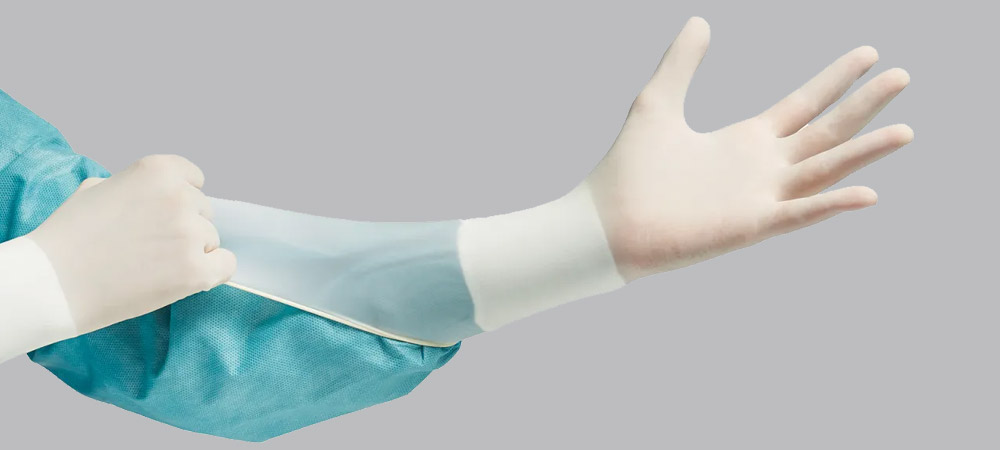
Donning gloves requires care to avoid contamination. Sterile gloves come in pairs and must be removed without touching the exterior surface. For sterility, healthcare workers should only contact the glove’s inner cuff when putting it on.

3. Intra-Procedure Use:

During surgery, gloves must be used properly to avoid contamination. Avoid touching non-sterile surfaces and change gloves if they get dirty. Two sets of gloves are worn in high-risk procedures for extra protection.

4. Disposal after procedure:

To avoid contamination, gloves must be thoroughly removed after a process. Roll the glove’s outer covering off without touching the skin. Biohazard containers should be used to dispose of used gloves to prevent infection.

The Value of Sterile Surgical Gloves

Medical workers and patients need surgical gloves. They have many benefits beyond infection control.

1. Infection Control:

Surgical gloves are meant to prevent infections. Gloves prevent healthcare-associated infections (HAIs), a major medical issue, by protecting the skin.

2. Healthcare Worker Protection:

Healthcare professionals avoid blood borne germs and toxic substances with surgical gloves. Protection against occupational injuries and illnesses is essential for medical staff safety and well-being.

3. Improved Sterility:

Sterility is crucial for surgical procedures. Microorganisms are prevented from entering surgical areas by surgical gloves. This lowers post-operative infections and speeds recovery.

Future Trends in Sterile Surgical Gloves

Medical procedures require sterile surgical gloves for hygiene and safety. Patients and healthcare workers are protected from infections and pollutants by these gloves. Technology and innovation in surgical gloves evolve with medicine.

1.Material Technology Advances
  • Smart Materials and Improved Performance

The future of sterile surgical gloves depends on materials science. Smart materials are being developed to adapt to environmental changes. Gloves constructed from novel polymers may be more elastic and durable. These smart materials can also contain antimicrobial compounds that actively inhibit bacterium and virus growth on gloves.

Sensor-equipped gloves seem promising. These sensors could identify small punctures or tears in real-time and report them to the glove’s integrity. This tool could improve surgery safety by giving the team rapid feedback.

  • Eco-Friendly Biodegradable Materials

Environmental concerns are boosting demand for sustainable products in all industries, including medical supplies. Cornstarch or natural rubber latex biodegradable surgical gloves are expected in the future. These eco-friendly options reduce medical waste while meeting surgical performance standards.

Development of synthetic materials like nitrile and neoprene continues. These materials are extensively used and provide great protection, but future advancements will improve their comfort, flexibility, and biodegradability.

2. Improved Barrier Protection
  • Better Barrier Technologies

Surgical gloves need better barrier protection as infections become more resistant and new germs and viruses arise. Future glove advancements will guard against more diseases, including viruses and multidrug-resistant bacteria.

Multi-layered gloves are being developed. These layers can combine materials to block pollutants better. Nanotechnology could create gloves with molecular-level virus and bacterium barriers.

  • High-Risk Procedure Gloves

Specialized gloves for high-risk procedures are also expected. Infection-prone conditions, such as extremely contagious disease operations, will require these gloves. They’ll have improved barrier technologies and reinforced designs for optimal protection.

3. Glove Design and Comfort Innovations
  • Ergonomics

Surgical gloves affect surgeon performance, thus comfort and dexterity are essential. Future designs will prioritize ergonomic elements for fit and comfort without sacrificing protection. For instance, 3D modelling and sophisticated manufacturing will allow gloves to fit more precisely to the hand, minimizing fatigue during protracted procedures.

Material advances will also create gloves with better breathability and moisture-wicking. These features will keep hands pleasant, decreasing skin irritation and boosting user experience.

  • Custom Gloves

Surgical gloves may become customisable in the future. Manufacturing advances will enable on-demand glove creation for surgeons or medical operations. Custom sizes, thicknesses, and features for surgical specialties are possible.

4. Digital Health Technology Integration

  • Data-Collection Smart Gloves

As digital health technologies evolve, surgical gloves may incorporate them. Future gloves may have sensors and connectivity to collect data during procedures. This data could include glove condition, surgical environment, and procedural process.

Smart gloves could give real-time updates and analytics by integrating with medical equipment and EHRs. By improving monitoring, documentation, and decision-making during surgery, this integration may improve results.

  • Integrating AR and VR

The usage of AR and VR with surgical gloves is another fascinating trend. AR could display patient vitals and surgical guidance in the surgeon’s field of view. Future experiments may include AR gloves that provide visual clues or feedback during surgery.

5. Regulatory and Standards Change

  • Stronger Rules and Standards

The regulations and standards for surgical gloves will evolve with medicine. Surgical gloves will be regulated more strictly to guarantee safety and efficacy. More extensive testing, including for new materials and technologies, is likely.

  • International Standards Collaboration

To improve and harmonize surgical glove standards, worldwide collaboration will increase. As the medical community becomes more networked, common criteria for surgical glove safety and efficacy will be sought.

6. Cost-Effective and Accessible

  • Cost-Innovation Balance

The cost and accessibility of new surgical gloves will be balanced as new technologies arise. Future trends will make improved gloves inexpensive and accessible to large hospitals and small clinics.

Manufacturing procedures will be streamlined to cut costs without affecting quality. Optimizing supply chains, enhancing production efficiency, and investigating alternate finance mechanisms will help enhanced surgical glove development and distribution.

Expanding Advanced Glove Access

In addition to cost, measures will increase access to modern surgical gloves in underprivileged areas. Global health groups and manufacturers will collaborate to give low-resource healthcare providers with breakthrough glove technology.

Conclusion

Sterile surgical gloves will alter due to advances in materials science, technology, and design. Next-generation surgical gloves will increase performance, safety, and comfort for patients and healthcare personnel using smart materials, greater barrier protections, ergonomic designs, and digital health interfaces.

As these trends continue, medical professionals will benefit from gloves that satisfy hygiene and effectiveness criteria. Sustainability, cost-effectiveness, and global accessibility will define sterile surgical glove advancements, ensuring cutting-edge and inclusive ones.

Staying updated about these trends helps healthcare workers prepare for future advances, improving surgical outcomes and patient care.

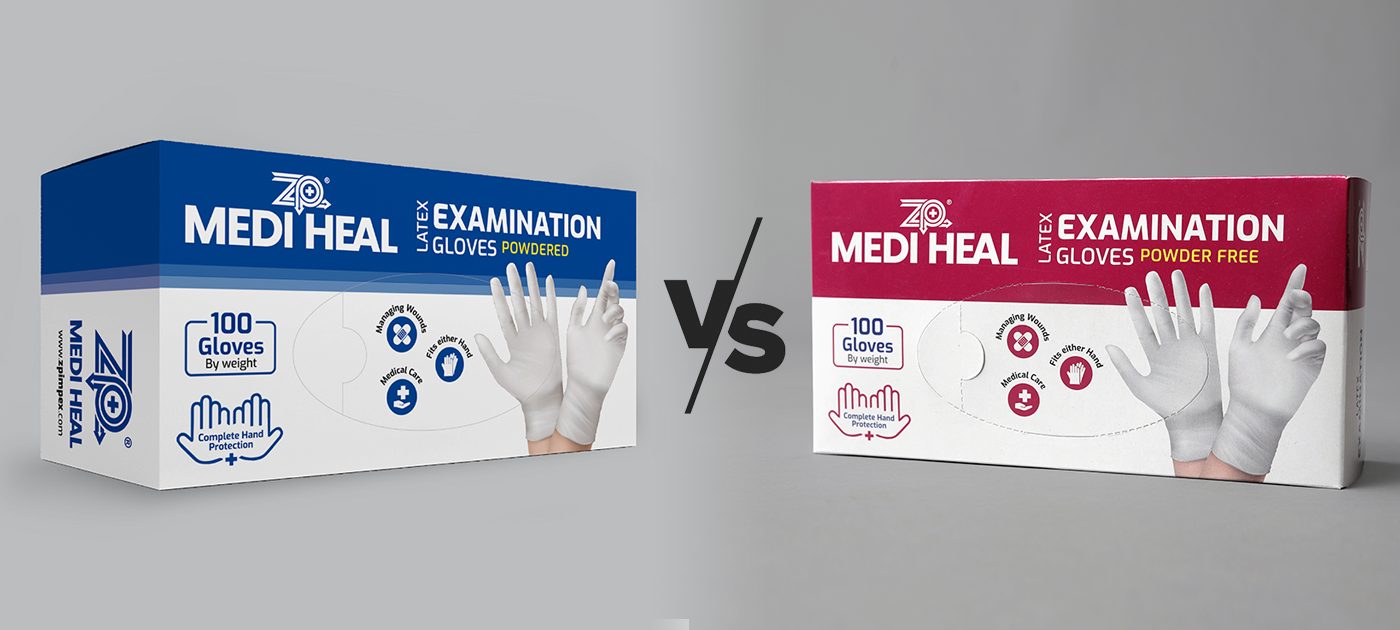
Latex Examination Gloves – Powdered v/s Powder free

During patient exams and surgeries, medical technicians use latex, nitrile rubber, vinyl, or neoprene gloves. Latex Examination Gloves protect against infection and prevent germ and bodily fluid contact. Powdered or powder-free gloves have different benefits and qualities.

Powder gloves

Powder gloves are easier to put on and take off than powder-free gloves. Corn starch powder reduces glove tearing, therefore many think it’s safer. Physicians often need to put on gloves quickly, so powder helps them get started. Powder versions don’t adhere to hands or bodies as much as powder-free ones, thus many prefer them.

Powder binds to latex proteins in gloves. Powder can penetrate into the skin and create an allergic reaction if worn for long periods. Powder gloves with moist hands might cause anaphylactic shock or dermatitis in rare cases.

Gloves without powder

Powder-free gloves are harder to put on and take off. Powder-free nitrile gloves are preferred by those with latex allergies or powder glove side effects. Nitrile is a chemical-resistant synthetic rubber. Powder-free nitrile gloves are also far more puncture-resistant than rubber gloves.

Powder gloves can impede tissue healing if corn starch powder penetrates into tissues during surgeries and other tissue exposure. Powder-free gloves are increasingly used during sensitive medical procedures due to this.

Powder-free segment to boom

Food and dairy farms benefit from powder-free nitrile gloves’ anti-static, smart solvent-resistant, and odour-free properties. Powdered nitrile gloves are causing more allergies, wound inflammation, severe airway inflammation from inhaling the powder, and post-surgical adhesions, so users are switching to powder-free gloves. As their production entails less protein and chemical content, powder-free gloves reduce allergies and increase their lifespan.

Surgical Latex Examination Gloves are commonly used in healthcare to protect caregivers and patients from germs. Powdered gloves pose health dangers, therefore the FDA banned them. Surgical gloves are vital to healthcare.

1. Hand Irritation Prevention

Surgical gloves are widely used in healthcare. Healthcare professionals have preferred powdered gloves for decades since they’re easier to put on and take off. However, these medical gloves can hurt your hands and cause significant skin damage.

If you’re allergic to dust, chemicals, or other allergens, skin irritation can be irritating. Rashes on your hands are the main indicator of irritation. You may also experience various symptoms as your skin reacts to particles.

2. To Reduce Eye Problems

Daily accidents are expected for health practitioners, especially while handling liquid or powder chemicals. You or your patient may accidently splash these substances into their eyes. Eye infections can result from dust and other particles absorbing into the eyes.

Powdered surgical gloves promote eye infections. When you rub your eyes without washing your hands after removing the gloves, these powders may enter. Particles in the air may mistakenly enter the eye tissue.

3. To Prevent Postoperative Site Infections

Surgeons must use gloves to prevent infections. Powdered gloves are dangerous in the operation room. These gloves’ powders can induce serious reactions in people with open wounds.

The powder causes an immunological reaction in the patient’s tissues because the body recognizes it as an antigen. The powder from these gloves can also spread bacteria, creating clotting and slowing healing. Late healing raises hospital fees due to higher treatment costs.

Powder free gloves are harder to wear. They grip and are made without adhesives, making them harder to put on.  Hospitals prefer powdered gloves for non-surgical procedures. This is because the powder may induce allergies. Powdered gloves are more comfortable, but not ideal for surgery.

Powdered or powder-free examination gloves rely on the use case and allergic reactions. Powder-free gloves are sterile and non-allergenic, making them ideal for surgery, while powdered gloves are more comfortable and utilized in hospitals for non-surgical uses.

Final Words

We have seen above the difference between powder and powder-free Latex Examination Gloves. Both types of gloves are available at ZP Mediheal
Corn-starch powder makes Latex Examination Gloves simpler to put on and take off. Long-term use of powdered gloves can develop skin sensitivities and allergies. Latex allergies may also result from corn starch powder.

Due to chlorine washing, powder-free gloves prevent latex protein particle transfer to the skin and lungs. Chlorination processing involves more washing during manufacture, resulting in less free latex proteins and other residual contaminants. This greatly minimizes allergic responses.

What are the uses of nitrile examination gloves?

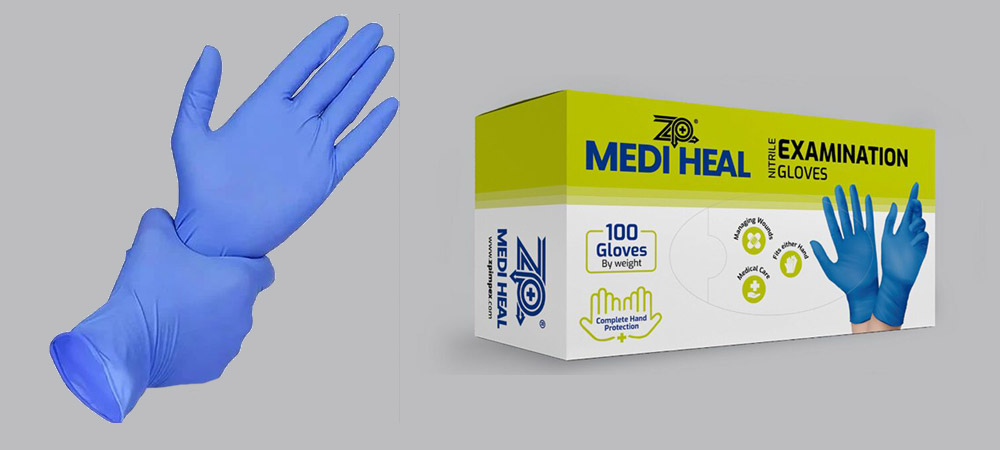
Nitrile examination gloves are durable and flexible. Their particular qualities appeal to healthcare, food processing, automotive, and laboratory. Perfect for hand protection, nitrile gloves resist solvents, punctures, and pathogenic agents. Latex-free nitrile gloves fit allergy sufferers.

For optimal performance and safety in varied work conditions, they fit comfortably, have strong tactile sensitivity, and grip effectively. Professionals worldwide need nitrile gloves for their colors, thicknesses, and sizes.

Many industries and applications require clean, safe nitrile examination gloves. Nitrile examination gloves safeguard industrial workers due to their durability, chemical resistance, and barrier qualities. This comprehensive reference covers nitrile gloves’ safety, hygiene, and productivity.

Healthcare Settings:

1. Medical Exams: Technicians perform physicals, diagnostics, and patient assessments with nitrile gloves. These gloves prevent infection in patients and personnel.

2. Surgeons, nurses, and operating room staff wear nitrile gloves. Their puncture resistance and tactile sensitivity enable precise, delicate surgery, improving outcomes and patient safety.

3. Dental procedures: Dentists and hygienists use nitrile gloves to prevent infection. Nitrile gloves stop saliva, blood, and other bodily fluids during cleanings, fillings, and oral surgery.

4. Laboratory Work: Technicians and researchers handle dangerous chemicals, specimens, and biological materials. Nitrile gloves are needed for hazardous objects and testing due to their chemical resistance and barrier protection.

Factory and industrial settings:

1. Chemical Handling: Pharmaceutical, industry, and automotive workers burn skin with chemicals and solvents. Exam gloves made of nitrile withstand oils, acids, bases, and corrosives.

2. Mechanical Work: Repairmen need durable, tactile gloves. Puncture-resistant nitrile gloves are strong for sharp items and machinery.

3. Food Safety: Serving and preparing food must be clean to avoid foodborne illnesses. Nitrile gloves reduce food preparation, handling, and packing contamination.

Cleaning Services:

1. Using nitrile gloves, janitors and cleaners disinfect commercial and residential surfaces. Safe and effective cleaning gloves withstand chemicals and detergents.

2. Trash Management: Moving medical and hazardous trash exposes workers to germs. Waste workers avoid infectious items and observe safety rules with nitrile gloves.

Protecting Yourself and Home:

1. DIY tasks: Nitrile examination gloves protect and adapt to home repair and creative tasks. DIYers are safe and comfortable with these gloves against sharp items, adhesives, paints, and other household substances.

2. Personal hygiene: Use nitrile gloves for topical medications, personal care, and home first aid. Gloves clean and prevent contamination.

Nitrile Examination Glove Features

Nitrile examination gloves are widespread throughout sectors due to their adaptability and quality. Hospitals, labs, food processing, and manufacturing need these gloves. This comprehensive guide covers nitrile examination glove benefits and usage.

1. Excellent Barrier:

Strong barrier qualities characterize nitrile exam gloves. Many workplaces utilize nitrile to handle hazardous products because it resists punctures, tears, and chemicals. Gloves protect bloodborne illnesses, chemicals, and infections.

2: Latex-Free Design

Important: latex-free nitrile gloves. Latex-sensitive people can wear hypoallergenic nitrile gloves. Nitrile gloves prevent latex allergies, making hospitals safer and more inclusive.

3: Better Comfort:

Comfortable nitrile examination gloves make work easy and precise. Nitrile’s flexibility and suppleness offer a snug fit, dexterity, and tactile sensitivity. Nitrile gloves improve productivity and efficiency by providing comfort and control for delicate medical procedures, lab equipment, and industrial tasks.

4: Chemical Resistance

Chemical and solvent-intensive industrial settings benefit from nitrile examination gloves. Oil-, grease-, acid-, and base-resistant nitrile. Nitrile gloves minimize chemical burns and pain in labs, industries, and auto shops.

5 Grip/Texture

Nitrile exam gloves have rough fingertips or palms for grip. The textured pattern minimizes slips and falls in wet or slippery circumstances. Touchable nitrile gloves improve work performance and confidence by ensuring precision and safety when handling delicate laboratory instruments or complex healthcare procedures.

6. Flexibility and adaptability

Flexible nitrile inspection gloves are useful in many fields. Dental, medical, food, and janitorial utilize nitrile gloves. Safety and performance-focused professionals like their protection, comfort, and dexterity.

7: Regulation Compliance

FDA, EU MDR, and OSHA safety and quality criteria apply to nitrile exam gloves. Industry-standard nitrile gloves assure business safety, quality, and legal compliance.

In conclusion:

Numerous sectors use nitrile examination gloves due to their various benefits. Due to their latex-free design, barrier protection, comfort, grip, and chemical resistance, nitrile gloves are unequaled in safety and performance. Exam gloves made of nitrile protect your workplace.

Multiple industries employ nitrile examination gloves. Nitrile gloves offer barrier protection, chemical resistance, and comfort in healthcare, industrial, food handling, janitorial, and personal protection. Using nitrile examination gloves helps companies prioritize safety, hygiene, and efficiency. Nitrile gloves protect and adapt, making the world safer and healthier.

Top 10 benefits of sterile surgical gloves

Healthcare requires precision and hygiene, thus Sterile Surgical Gloves are vital. These basic clothes are hospitals’ primary barrier against disease contamination, infection, and cross-transmission. Sterile gloves increase surgery and exam room patient safety, results, and quality.

Precision and hygiene-focused healthcare uses sterile gloves to protect patients and providers. Sterile gloves keep surgery sterile. Sterile gloves remain sterile until used due to rigorous sterilization and individual packaging. We’ll discuss Sterile Surgical Gloves uses, characteristics, and correct use below. We’ll also answer typical sterile and non-sterile glove questions.

Construction and composition:

Sterile Surgical Gloves made of latex, nitrile, and neoprene are excellent. Durability, flexibility, and sterility were considered when selecting these materials. Advanced methods ensure glove thickness, texture, and ergonomic design uniformity.

The sterilizing process:

All live organisms, including bacterial and fungal spores, are removed during sterilization. Chemotherapy and surgery necessitate sterile gloves. MCR Safety only sells non-sterile gloves, but consumers must grasp the distinctions to choose and wear the right product.

Before packaging, sterile gloves are sterilized to eradicate surface microorganisms. This treatment uses heat, radiation, or chemicals for high sterility. The gloves are sterilized and wrapped in sterile pouches or wrappers until use.

Application and Use:

The surgery uses Sterile Surgical Gloves to prevent infection. Separating the surgeon’s hands from the surgical site prevents contamination and infections. Invasive surgeries and diagnostic tests may necessitate sterile gloves.

Important for Infection Control:

Infection control requires sterile gloves. Sterile gloves prevent germs from moving from healthcare workers to patients and vice versa in surgical settings, when even minor sterility breaches can be disastrous. By keeping the field sterile, sterile gloves reduce post-operative infections and enhance patient outcomes.

Regulation compliance:

First line of defense against infection and contamination for medical staff is sterile gloves. These gloves clean operating rooms and exam rooms and improve patient care. Clean gloves show healthcare personnel’ commitment to patient care and ethics.

Now we will discuss sterile gloves’ varied uses and value in modern healthcare.

1. Barrier to infection: Pathogen protection is the sterile gloves’ principal function. Sterile gloves protect the inner sanctum from contaminants, reducing SSIs and other post-operative issues. Sterile gloves prevent doctors and patients from spreading infectious agents during medical procedures.

2. Sterility Preservation: Gloves are packaged well and sterilized to maintain purity till use. Each pair is sealed in a sterile pouch until doctors put them on. Cross-contamination avoidance and surgical sterile fields require sterility preservation.

3. Facilitating Hygienic Practice: Sterile gloves protect patients from infection and promote healthcare hygiene. Healthcare providers use sterile gloves to prevent infection and protect patients and staff.

4. Improved Surgical Precision: Sterile gloves enable confident and precise procedures. These gloves allow surgeons to operate delicate tissues and equipment with ease, lowering the risk of injury and improving surgical outcomes.

5. Occupational Hazard Protection: Healthcare workers face needle stick, body fluid, and chemical exposure risks. Sterile gloves safeguard frontline workers and decrease occupational injuries and infections.

6. Compliance with regulations: Global regulatory agencies, such as the FDA and WHO, mandate sterile gloves. Healthcare regulatory compliance requires sterile gloves for patient safety and quality.

7. Trust building: Patients trust healthcare providers to give quality care, and sterile gloves are seen as a show of professionalism. Strong infection control practices soothe patients and build healthcare system trust.

8. Healthcare Setting Adaptability: Sterile gloves are utilized in surgical theatres, emergency rooms, outpatient clinics, and dental offices. Healthcare providers in every clinical environment need their agility and adaptability.

9. Promoting Best Practices: Sterile gloves promote infection prevention, patient safety, and quality improvement in healthcare. Implementing sterile glove protocols in clinical operations shows healthcare excellence and quality improvement.

10. Overall Patient Care Contribution: Sterile gloves serve other purposes beyond protection. Critical patient care components enable clinical actions, reduce risks, and protect patients throughout their healthcare journey.

Finally, Sterile Surgical Gloves improve infection control, surgical precision, workplace safety, regulatory compliance, and patient confidence. Healthcare providers show patient safety and care with sterile gloves.

Sterile gloves lower infection risk for patients and clinicians in all healthcare settings. Surgical site infection is a common and significant perioperative complication, making this crucial. Corn-starch-dusted natural rubber latex gloves are typical. However, frequent latex glove use can cause latex allergy. Latex allergies can interfere with productivity, cost money, and even kill.